
Kategorie:#Forschung
Unter #Forschung sind Beiträge über Forschungaktivitäten und -projekte rund um die Gender Studies der HU Berlin zu finden.
The Trajectory of Women’s Resistance in Iran
On 20 May 2021, a video went viral: a woman dancing, hair partially unveiled, in a Tehran metro station. Her body moved in fluid, defiant rhythm as commuters watched, some clapping, some staring in disbelief, some averting their gaze. Dancing publicly without a hijab is strictly forbidden for women in Iran, and yet in that …
Weiter lesen
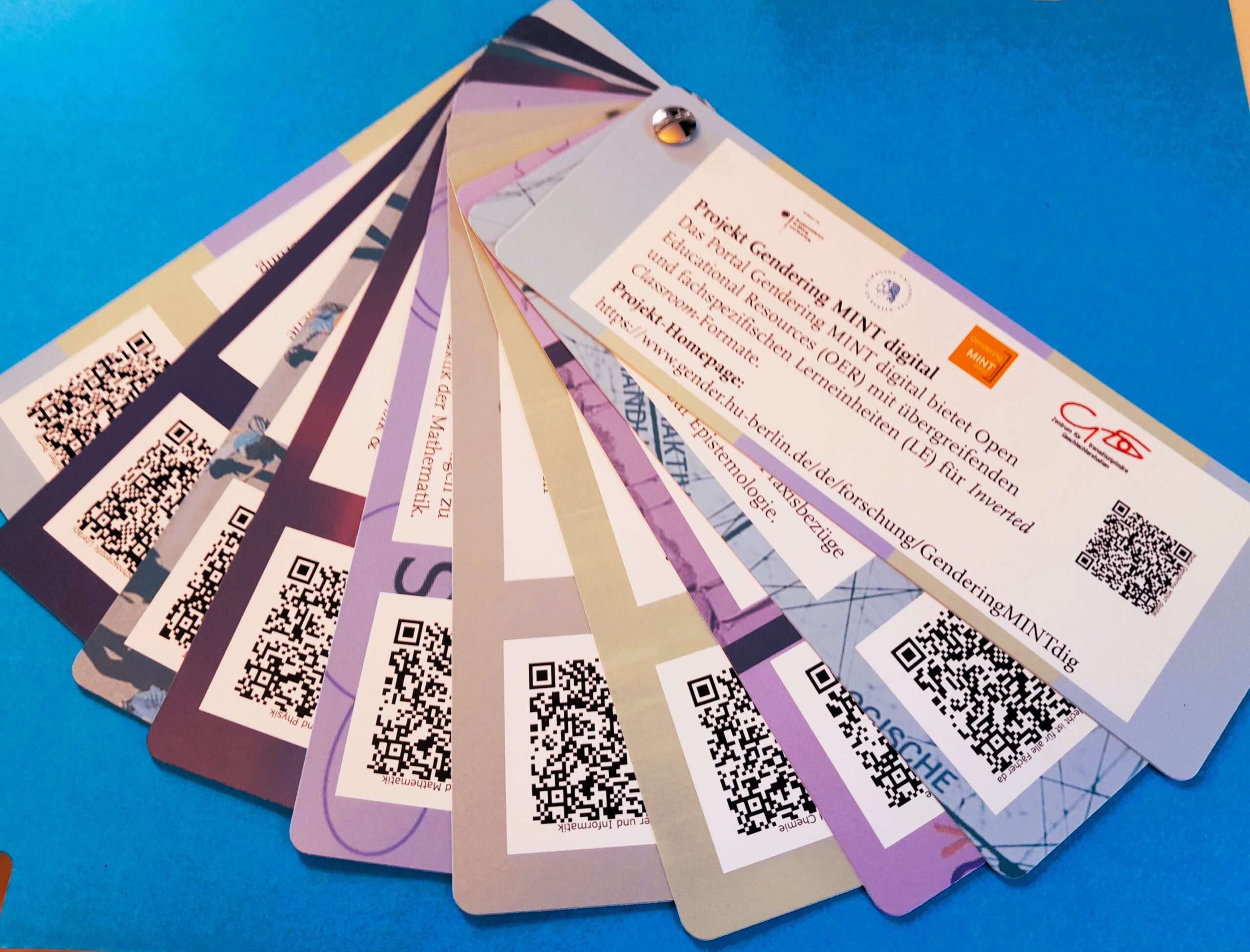
Es ist doch schon alles da! Gender in MINT & More
Was hat Gender mit Biologie, Chemie, Mathematik, Informatik oder Physik zu tun? Antworten darauf gaben wir am 18. Dezember 2025 beim Wissenschaftstag #4Gender Studies mit unseren Lehrunterstützungen aus Gendering MINT didaktisch-digital bei einem Lunch Talk im „Netzwerk Gute Lehre“ in Kooperation mit dem bologna.lab der HU Berlin. Da ist was für Studierende: Gendering MINT digital …
Weiter lesen
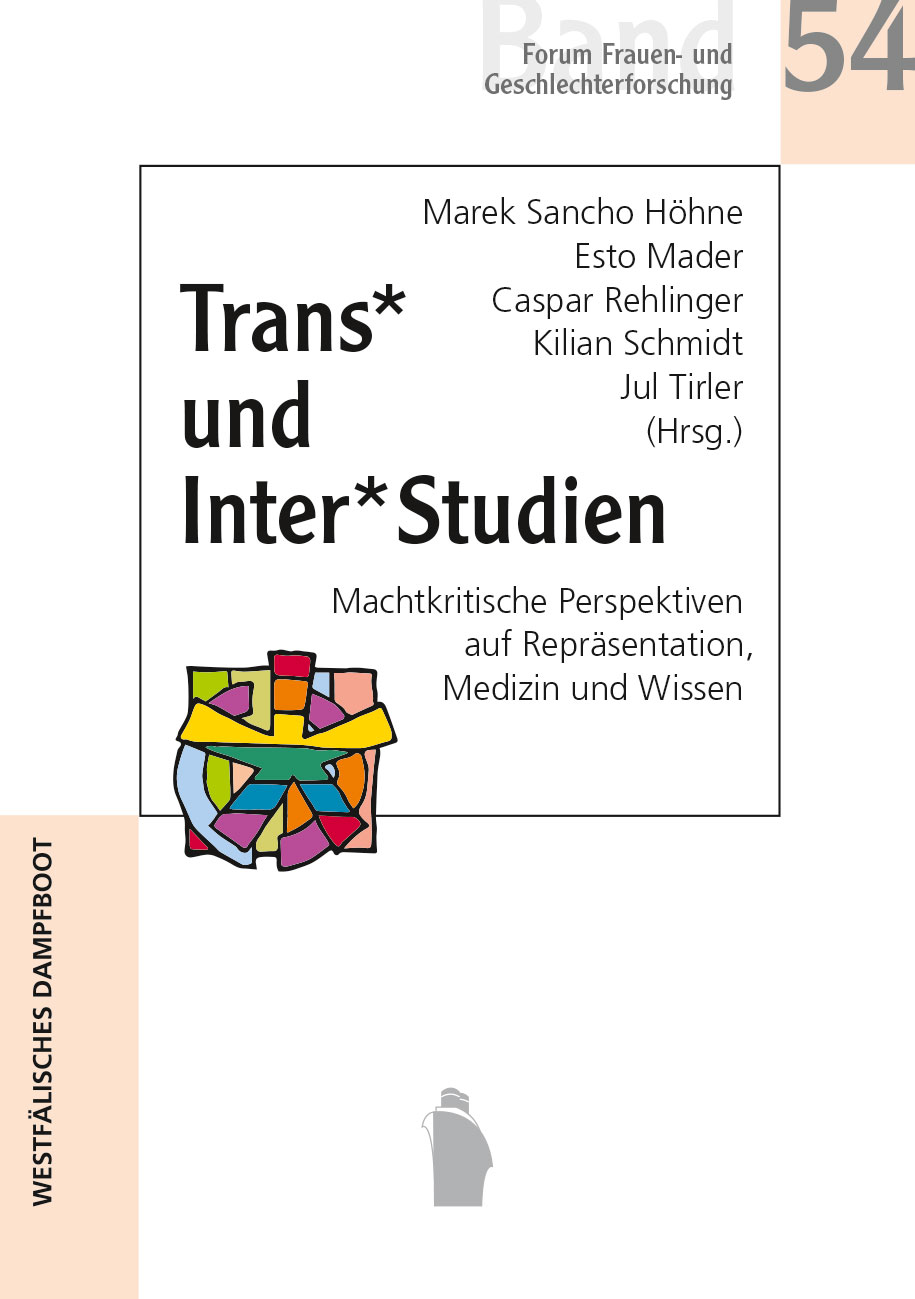
Trans* und Inter* Studien und intersektionale Verflechtungen
Als Ergebnis jahrelanger aktivistischer Bemühungen trat im November 2024 das sog. ‚Selbstbestimmungsgesetz‘ in Kraft. Es vereinfacht den Prozess der Vornamens- und Personenstandsänderung, der zuvor unter dem ‚Transsexuellengesetz‘ langwierige, teure und erniedrigende Zwangsbegutachtungen und Gerichtsverfahren nötig gemacht hatte. Seither ist der Wechsel des Vornamens und des Geschlechtseintrags per eidesstattlicher Erklärung für Personen mit deutscher Staatsbürgerschaft möglich. …
Weiter lesen
Voices on the Move: Pop Culture in the Everyday Lives of Migrant Girls
Like a kaleidoscope, popular culture reflects a fast-changing colourful world, combining many pieces, representations, meanings and emotions depending on both its structure and how you view it. With such a multi-voiced and dynamic atmosphere, pop culture plays a prominent role in many girls’ lives all around the world, but it has a particular significance for …
Weiter lesen

#nachgefragt: Das Podcastformat des Genderblogs
Episode 12: Methoden und Praktiken in den Gender Studies: Reflexionen zur Autumn School des ZtG. Yumin Li im Gespräch mit Suse Brettin, Yannik Ehmer und Esto Mader Transkript des Podcasts als PDF-Datei In dieser Folge widmen wir uns der Autumn School „HOW TO DO GENDER STUDIES. Methoden und Praktiken in den Gender Studies“, die vom 29. …
Weiter lesen
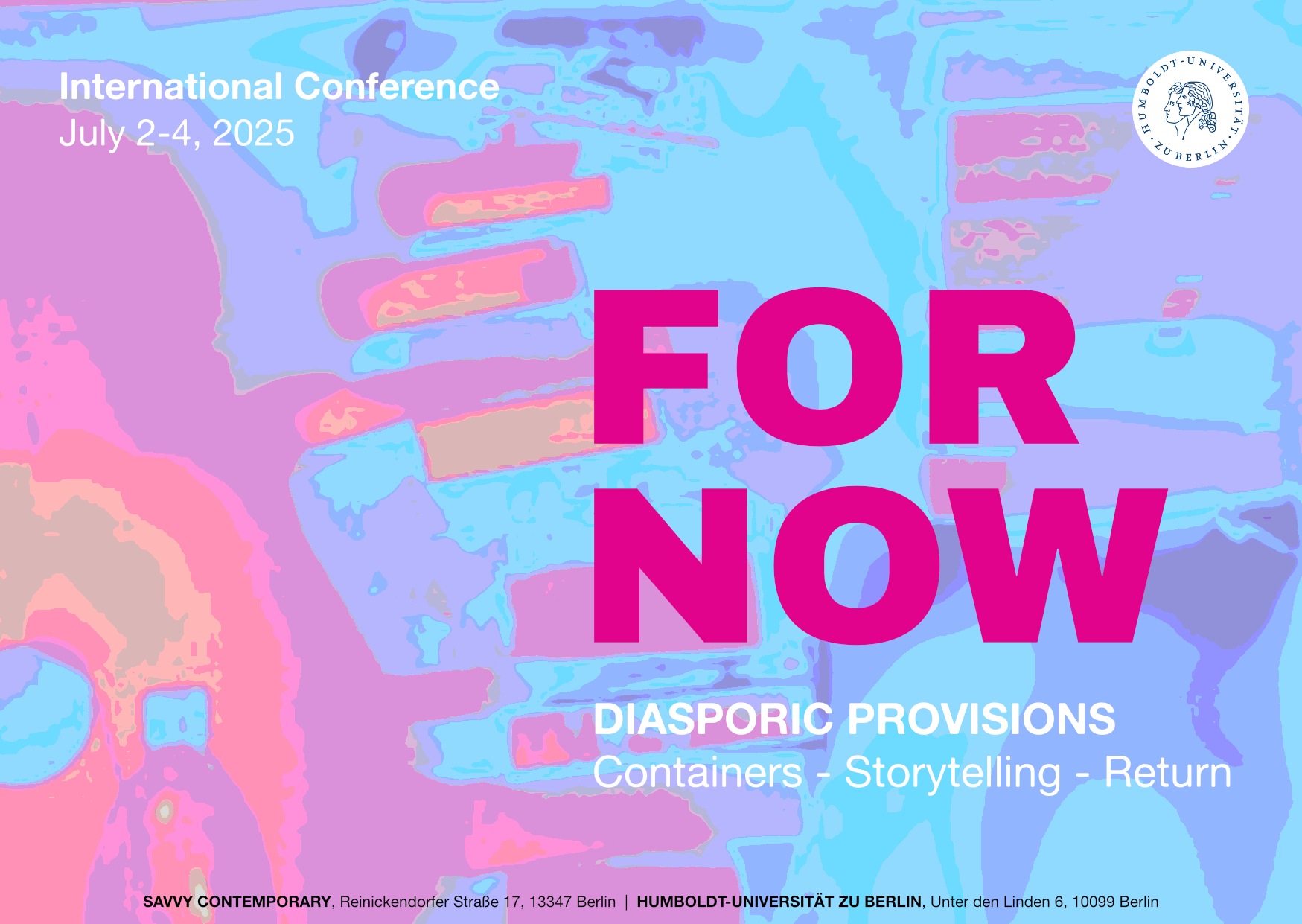
For now… the way we do life is a method
What provisions does it take to live in temporal and spatial in-betweenness, never quite knowing when, or if, return is possible – or even where to? How do we make homes from what can be carried on a migratory road: objects ready to move at any moment, yet still holding the weight of memory and …
Weiter lesen

Queer Survival, Organizing, and Worldmaking: Report on the Inaugural Summer School of the LGBTQ+ Music Study Group
What does it mean to survive, to resist, to care and connect through music, sound, and queer practice and how can scholarly work engage with this? These questions formed the heart of the inaugural Summer School of the LGBTQ+ Music Study Group, held at Humboldt Universität zu Berlin from 22 to 25 July 2025. Nearly …
Weiter lesen

Computer Nudes – Körper als Algorithmus, Bildschirm als Leinwand
Ob in den militärischen Rechenzentren Virginias oder in den High-Tech-Labors von Bell: Die Anfänge der Computernutzung waren von männlichen Denk- und Handlungslogiken dominiert. Aus der strukturellen Unsichtbarkeit von Frauen entstand ein Vakuum, das sich in ihrer Bildwerdung kompensierte: Computergenerierte Darstellungen weiblicher Aktmodelle markieren einen Schlüsselmoment der ‚Humanisierung als Sexualisierung‘ digitaler Bildproduktion. Sie überführten den (Geschlechts-)Körper …
Weiter lesen

Auf dem Weg zur Normalität? LGBTQ+-Familien und ihre Kämpfe um Anerkennung
Im Sommer 2025 konnten viele Christopher-Street-Day-Paraden nur unter massivem Polizeischutz stattfinden. Bereits im Vorfeld wurden sie von rechten, gewaltbereiten Gruppierungen bedroht. Damit wird gezielt versucht, die Sichtbarkeit der LGBTQ+-Community zu unterdrücken. Laut Verfassungsschutz besteht sogar Gefahr für Leib und Leben. Zugleich nimmt die Pluralität an Lebensformen zu: Ob in Schulen, in Kitas oder auf Spielplätzen – …
Weiter lesen
Where the Law Has Some Catching Up to Do: The Consequences of a Genetic Exam for BRCA Mutation
A blood test can reveal important information about your risk of breast cancer — but the law hasn’t fully caught up with its consequences. BRCA1 and BRCA2 – short for BReast CAncer gene – are the two genes associated with an elevated risk of especially breast and ovarian cancer. People assigned female at birth with …
Weiter lesen